CyberSecurity

CyberSecurity
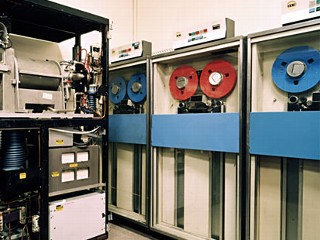
1970s: The era of mainframe computers saw the development of the first computer viruses, which were mostly harmless pranks created by computer enthusiasts. As technology advanced, so did the sophistication of the viruses.
1980s: The 1980s saw the rise of personal computers and the emergence of the internet. With more people using computers and connecting to networks, cyberattacks became more frequent and serious. The first major virus outbreak, the Morris Worm, occurred in 1988, causing significant damage to computer systems.
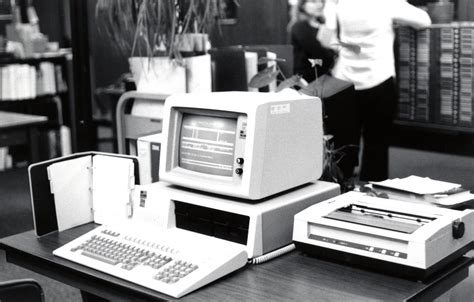

1990s: The 1990s saw the development of firewalls and other security tools to protect networks and computer systems. The rise of e-commerce also brought new security challenges, such as credit card fraud and identity theft.
2000s: The 2000s saw an increase in cyberattacks, including large-scale attacks on government and corporate networks. This led to the development of more advanced security tools and the creation of cybersecurity as a field of study and profession.
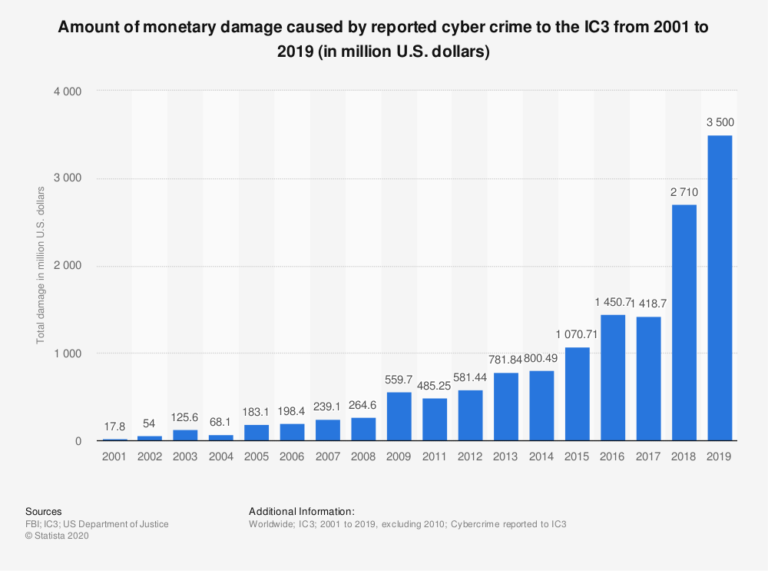
2010s: The 2010s saw a proliferation of cyber threats, including ransomware, social engineering attacks, and data breaches. The rise of cloud computing and the internet of things (IoT) also created new security challenges. The field of cybersecurity continued to evolve, with new technologies and approaches being developed to protect against cyber threats.
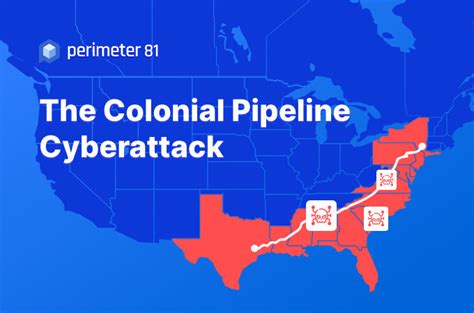
2020s: The 2020s have already seen major cyberattacks, including the SolarWinds hack and the Colonial Pipeline ransomware attack. Cybersecurity remains a critical concern for governments, businesses, and individuals alike, and new threats are constantly emerging. The field of cybersecurity continues to evolve, with new technologies and approaches being developed to stay ahead of cyber threats.